How to Stop
a Nuclear War
Exposing Over 80 Years of Profiteering, Lies, and Cold War Paranoia
Narrated by Emma Thompson
Based on Daniel Ellsberg’s “The Doomsday Machine”
Coming Winter 2028
Everything I believed to be true about the Cold War was a delusion — one that was very profitable for some people.— Daniel Ellsberg
From cold warrior to the world’s most consequential whistleblower.
The film picks up where The Day After and Oppenheimer left off — tracing Dan Ellsberg’s transformation from a nuclear war planner who believed in the system, to the man who risked prison to expose it.
Nuclear apocalypse is not inevitable.
Learn more about our documentary on reducing the risk of nuclear war. Sign up for updates, or support the impact campaign directly.
The Risk Isn’t Zero
The risk of nuclear war triggered by accident, miscalculation, or technical failure is not zero. Most experts believe it’s far from zero.
President Putin has threatened to use tactical nuclear weapons in Ukraine. Senior Russian foreign policy figures advocate “escalate to deescalate,” a military doctrine that plans to use tactical nuclear weapons to “prevent” an all-out nuclear war.
A four-star American general predicts the U.S. will be at war with China by 2027. He directed 50,000 service members under his command to get their legal affairs in order—most Pentagon war gaming of such a conflict led to nuclear war.
The U.S. is modernizing its nuclear arsenal and developing the Golden Dome, a new anti-ballistic missile system, predicted to cost over two trillion dollars. It’s the latest version of ABM systems that can’t work, are financial boondoggles, and are very destabilizing — intensifying the AI arms race and increasing the risk of nuclear war.
Trump and Putin have threatened to restart testing nuclear weapons, unravelling decades of restraint.
The rise of artificial intelligence (AI) presents a crossroads even more profound and consequential than we realize. It holds immense promise, but poses grave risks if developed for profit and militarization without a deep commitment to the greater good.
The conditions for nuclear miscalculation and accidents have never been higher.
See where you would be when the warheads arrive.
An interactive simulation built to make the abstract concrete — explore blast and fallout impact scenarios in real locations.
We have already come this close, more than once.
The history of near misses shows the probability that some day, sooner or later, an accidental nuclear conflict will take place.
There are hundreds of such events, many still classified.
Nuclear apocalypse is not inevitable.
Learn more about our documentary on reducing the risk of nuclear war. Sign up for updates, or support the impact campaign directly.
What We Can Do
01Eliminate hair trigger launch on warning and land based ICBMs+
Land-based ICBMs are the hair-trigger of the doomsday machine — kept on launch-on-warning status that leaves minutes, not hours, for a human decision. Ending that posture and phasing out ICBMs would sharply cut the risk of an accidental launch.
02Freeze the development of new nuclear weapons+
The U.S., Russia, and China are all significantly modernizing their nuclear arsenals – increasing the accuracy, precision, and diversity of their weapons.
Nuclear arms control treaties between the U.S. and Russia are unraveling, with both sides pulling out of Cold War-era agreements. This removes constraints and opens the door to new nuclear weapons development.
India, Pakistan, North Korea, and Israel are increasing their nuclear stockpiles and missile capabilities. This adds instability and potential nuclear flashpoints.
Investments in new nuclear weapons by major powers are steering away from a vision of disarmament and posing challenges to non-proliferation efforts.
Advances in hypersonic glide vehicles, missile defense penetration aids, nuclear-armed drones, AI, and other technologies are sparking a new arms race.
03Negotiate a new anti-ballistic missile treaty+
ABM systems offer little defense but make a first strike more feasible. The 1972 treaty was abrogated by the US in 2002.
From the first advanced radar system built in the ’50s (SAGE), to today’s ABM systems, it is a story of fraud, lies, secrecy, and massive budgets for systems that were never effective as a defense – but did threaten a first strike.
Recognizing how advanced ABM systems would encourage a destabilizing arms race, in 1972 President Nixon and Chairman Brezhnev agreed to the first ABM treaty.
In 2002, President Bush unilaterally abrogated the treaty, setting up a new arms race. It was a great boon to arms manufacturers.
04Negotiate a treaty to eliminate tactical nuclear weapons+
Large numbers of smaller short range nuclear weapons increases the risks that a conventional conflict could escalate into nuclear war.
The U.S. threatened to use tactical nuclear weapons against China during the Taiwan crisis of 1958. Ellsberg reveals a still-classified report that states that President Eisenhower authorized the Joint Chiefs to use the weapon if they thought it necessary to “defend” American prestige and credibility in Asia.
Nixon considered using a tactical weapon against Vietnam. This is why Ellsberg released the Pentagon Papers.
Russia has a large arsenal of around 2,000 tactical nuclear warheads and has threatened to use them since the invasion of Ukraine.
The U.S. is upgrading the B61, its main tactical nuclear bomb, and developing submarine-based and sea-launched systems that will increase its tactical arsenal.
China, until recently, maintained only strategic nuclear forces. But there are indications China is now exploring tactical nuclear options as its rivalry with the U.S. intensifies.
05Ban all nuclear weapons testing+
The Comprehensive Nuclear Test Ban Treaty (CTBT) was signed by Clinton in 1996, but the U.S. Senate has still not ratified it. In 2023, the Russian Duma withdrew its ratification.
Some Russian security officials argue testing is needed to ensure the reliability and safety of an aging arsenal and confirm new warhead designs as older ones are retired. Pressure is mounting in favor of a new round of tests.
In the U.S., some members of Congress have called for resumed testing, including Senator Tom Cotton (R-Arkansas), Senator James Inhofe (R-Oklahoma), Representative Mike Rogers (R-Alabama), and former Senator Joe Manchin (D-West Virginia). Now, Trump has called for renewed testing.
Trump withdrew the U.S. from international agreements such as the INF Treaty and Open Skies, raising concerns about the erosion of arms control norms governing testing.
06Extend the New START treaty past 2026+
In an era of no arms control, Russian and U.S. strategic nuclear forces could double.
The story of the New START treaty is one of intrigue and the power of the military-industrial complex.
President Obama rode into office in 2009, promising to work toward a nuclear-free world. Within 16 months of his inauguration, the United States and Russia negotiated New START, meant to build trust and cut the risk of nuclear war. It limited each side to what the treaty counts as 1,550 strategic nuclear warheads.
Obama then supported a massive modernization of the American nuclear arsenal. The United States under Obama transformed its main hydrogen gravity bomb into a guided smart weapon, made its submarine-launched nuclear missiles five times more accurate, and gave its land-based long-range missiles so many added features that the Air Force in 2012 described them as “basically new.” Military contractors are building fleets of new heavy bombers, missiles, and submarines to deliver these more lethal weapons.
The U.S. and Russia will each spend more than a trillion dollars modernizing their nuclear arsenals. If there is no New START, there is no limit to how many warheads can be produced.
07Hold public hearings on the dangers of nuclear winter+
Even a nuclear war between India and Pakistan would have devastating environmental and agricultural disruptions that could put up to a billion people at risk globally.
A full-scale nuclear war between major nuclear powers could end most life on Earth.
Congress should hold hearings on the danger of nuclear winter so people understand that accidental atomic war risks a total apocalypse.
08End sole presidential authority+
Concentrating power in one person’s hands poses unacceptable risks – Presidential judgment could be impaired by information gaps in a crisis, emotions, mental instability, or poor advice. Checks and balances could reduce risks.
In 1974, President Nixon’s aides stated he was drinking heavily at times and had worrying, angry outbursts. Henry Kissinger feared he might exercise his sole nuclear launch powers.
There is evidence President Reagan suffered from early dementia. In 1983, there was an extensive debate after he jokingly said during a mic check that he had “signed legislation that will outlaw Russia forever” and was “beginning bombing in five minutes.” This led to one of the most severe miscalculations when Soviet radar picked up what seemed like incoming missiles. Only one Soviet officer prevented that false alert turning into an all-out nuclear war.
During the Cuban Missile Crisis, what if Kennedy had not stood up to the Joint Chiefs, who wanted to launch “Operation Northwood,” invade Cuba and launch a first nuclear strike against the Soviet Union? Everything hinged on one man.
It’s been reported that Gen. Mark Milley called his Chinese counterpart Gen. Li Zuocheng twice to reassure him the U.S. was not planning an attack on China amid tensions in the final days of the Trump presidency.
09Limit the use of AI in nuclear command and control+
There is a risk of catastrophic unintended escalation in a crisis due to AI systems reacting wrongly or faster than humans can comprehend. Automated responses could dramatically reduce decision-making time in the face of ambiguous warnings.
The potential for adversarial hacking, spoofing of sensor data, or other manipulation of AI to trigger false alarms or dangerous responses by nuclear command and control networks. Cyber risks must be minimized.
10Eliminate nuclear weapons+
Every step above buys time and reduces risk. The only way to end the risk entirely is to end the weapons themselves.
There are concrete steps we can take to reduce the risk of nuclear catastrophe.— Daniel Ellsberg
To young people I say – Don’t count on your elders to take care of this. You must do it.— Daniel Ellsberg
The story is already breaking.
Speaking Events
Radio Shows
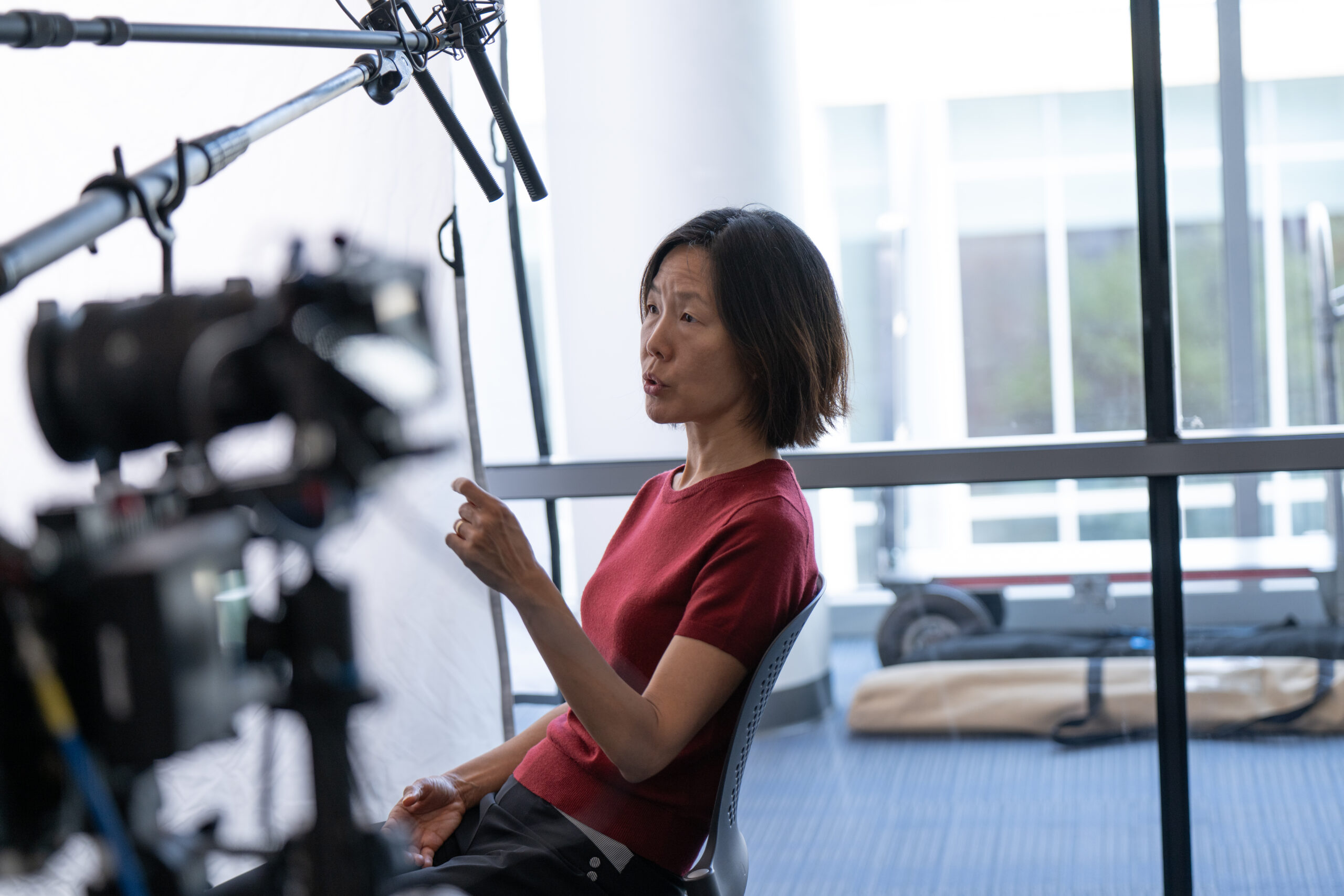
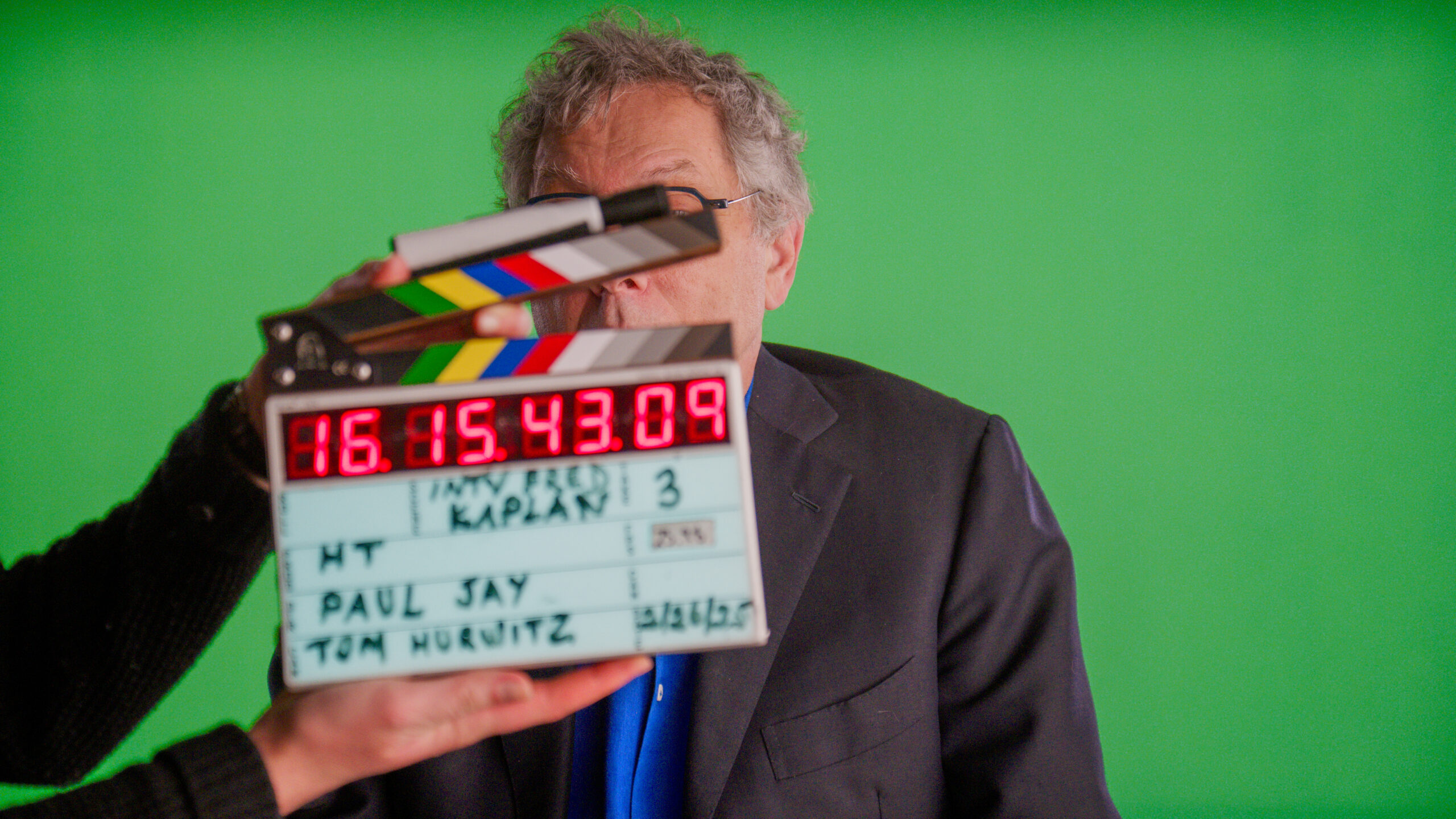
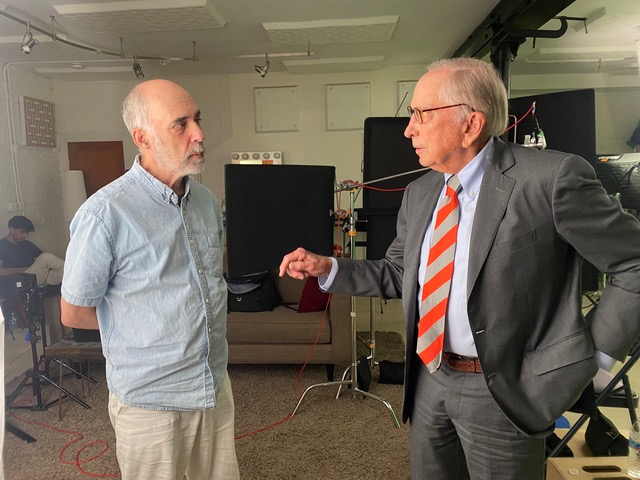
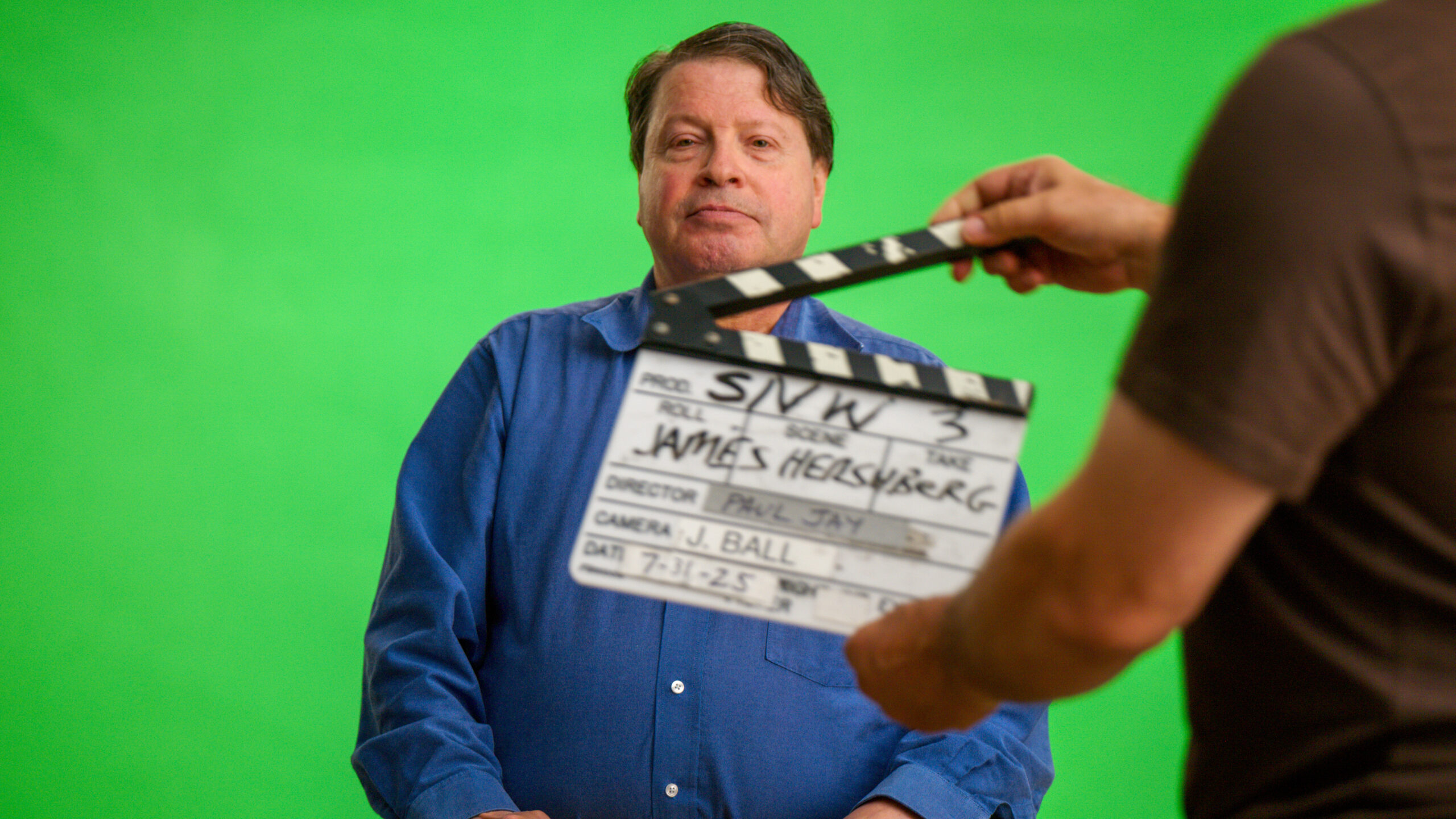
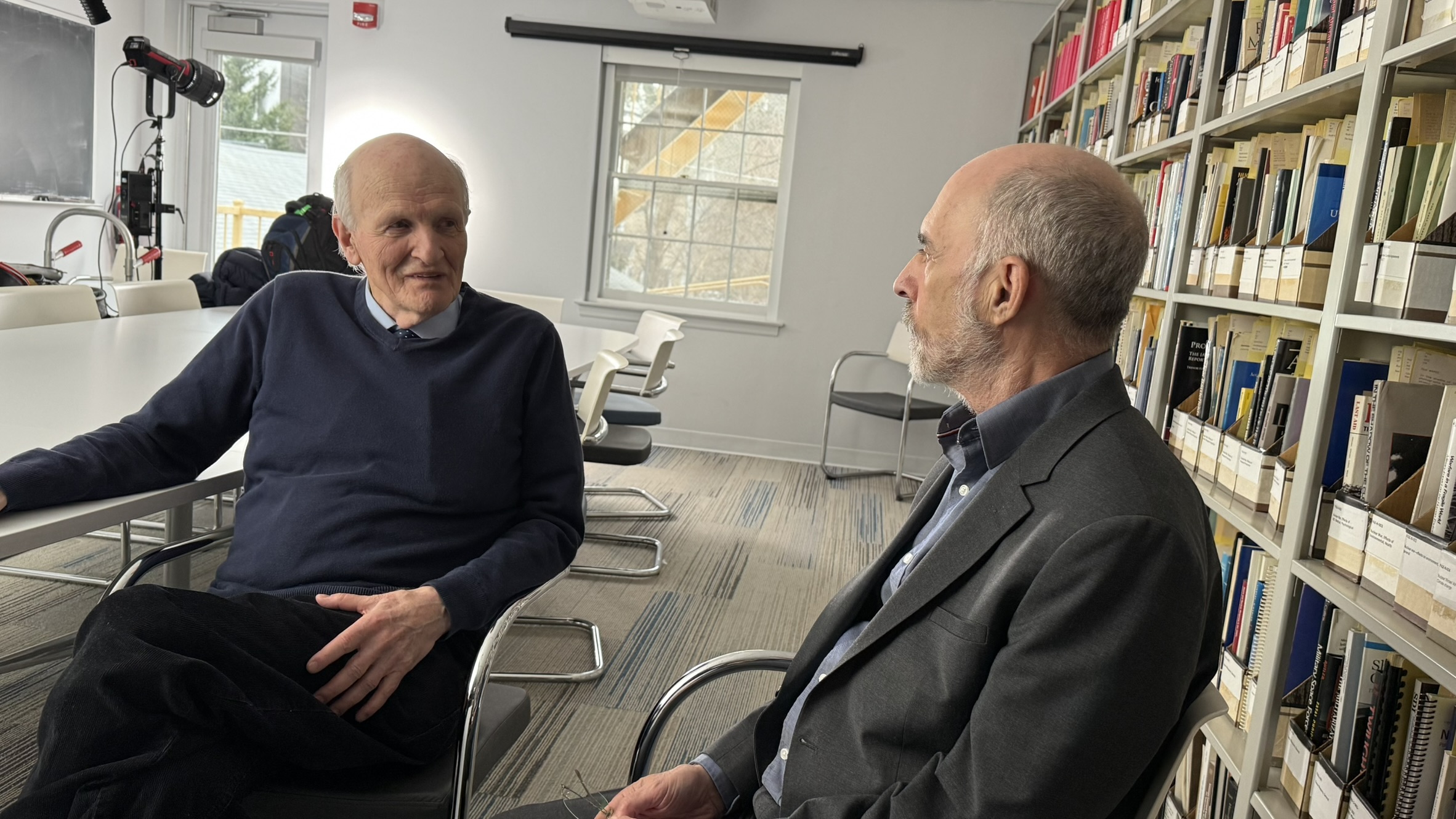
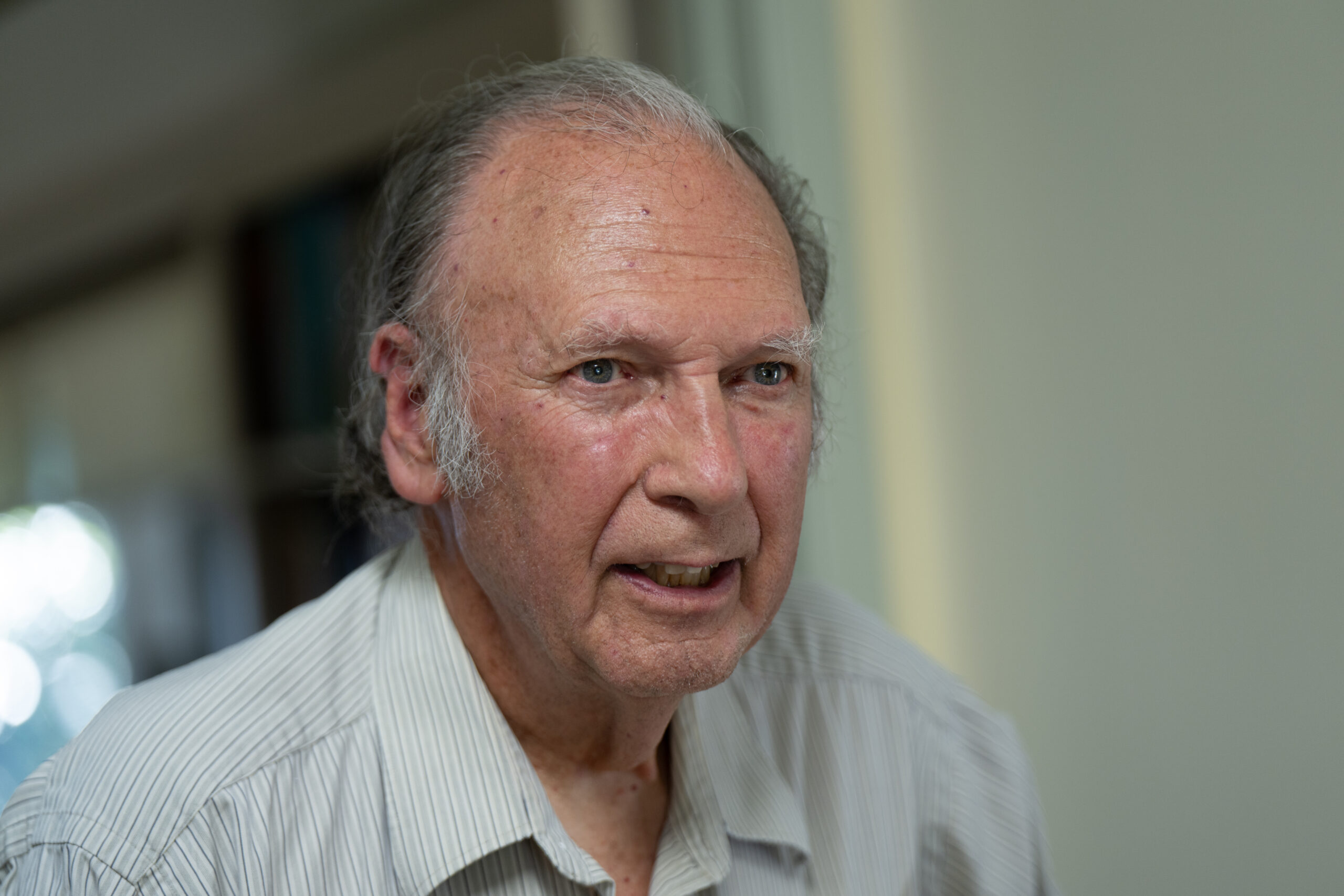
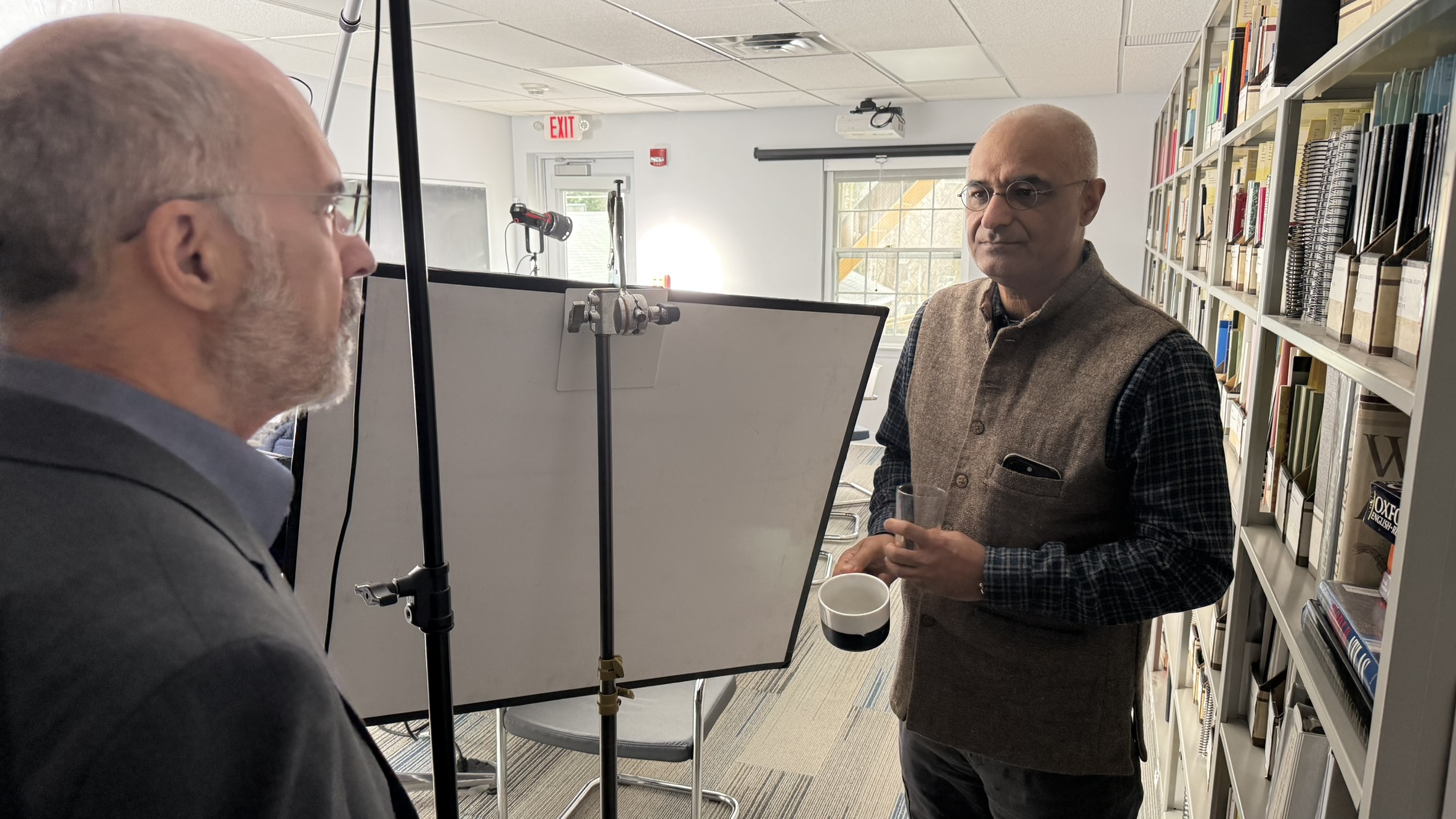
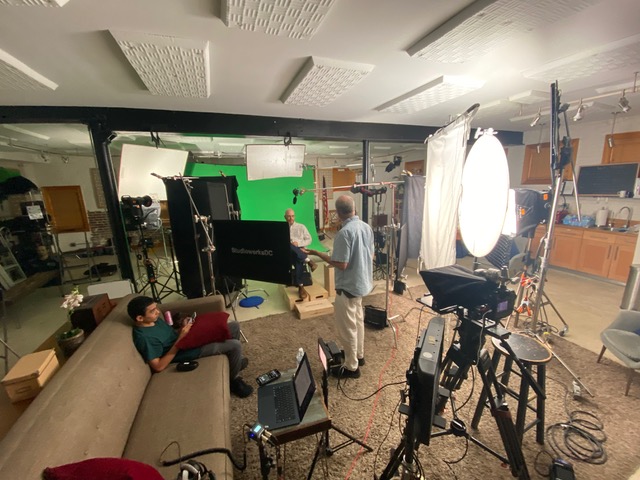
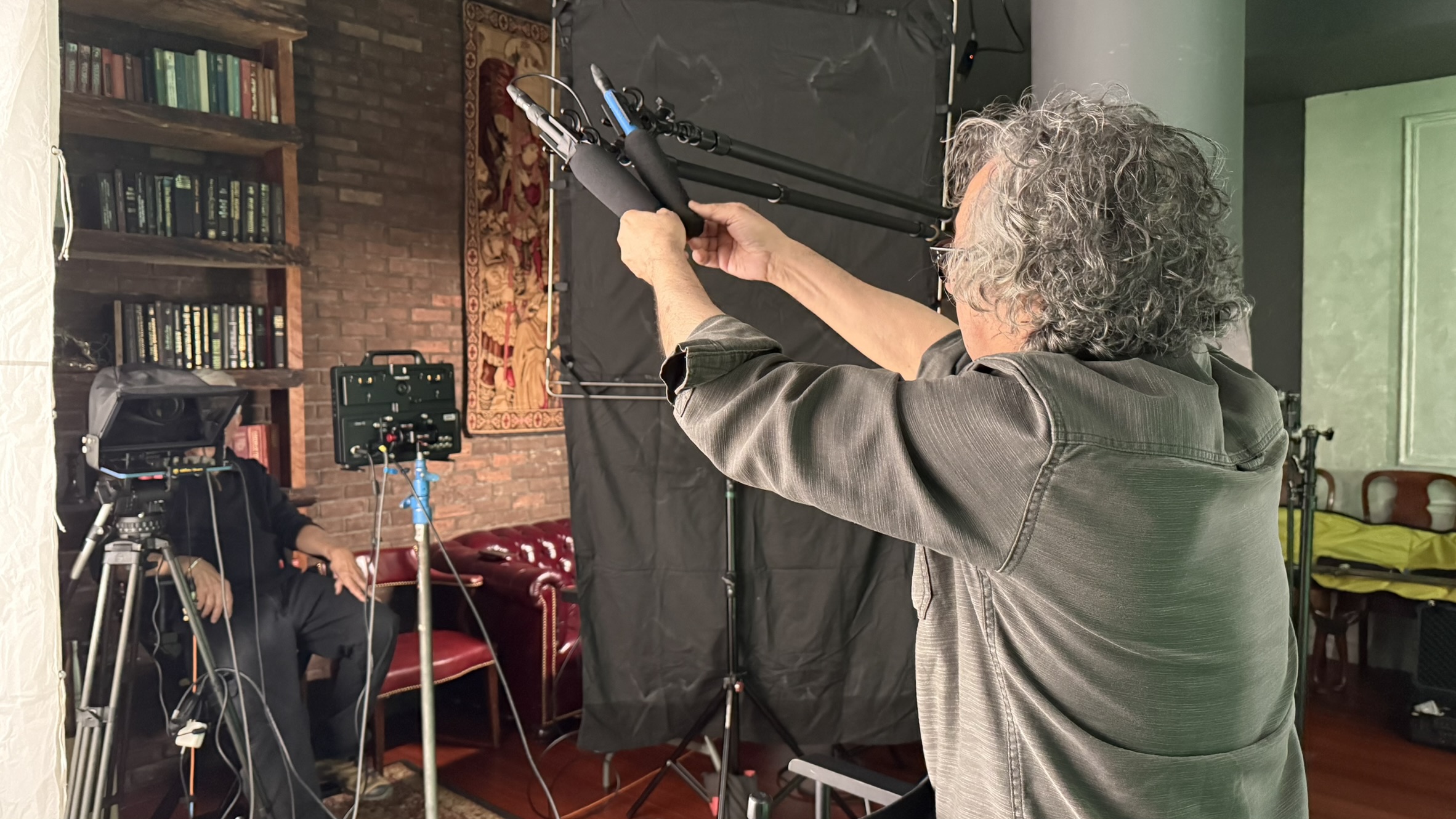
On location, behind the lens.


















Nuclear apocalypse is not inevitable.
Learn more about our documentary on reducing the risk of nuclear war. Sign up for updates, or support the impact campaign directly.
For press inquiries or partnership opportunities: contact@stop-nuclear-war.org